DIY Cost Tools
Lumber Weight Calculator
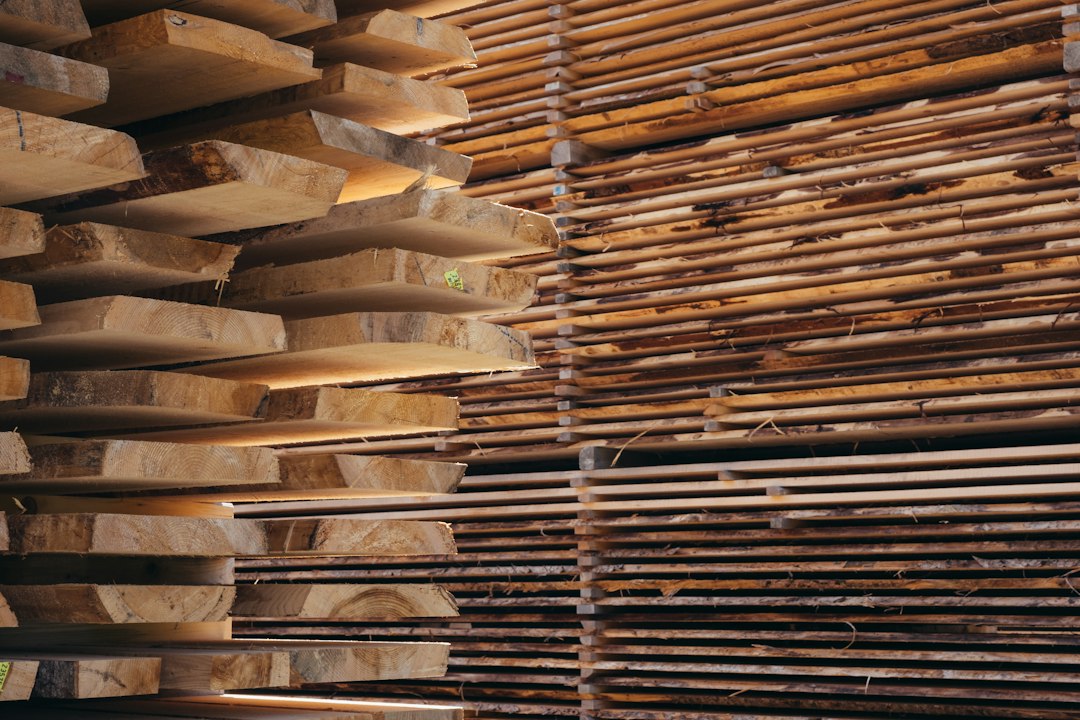
Estimate the weight of a lumber order from the number of boards, their actual dimensions, length, and an adjustable wood-density value. The calculator also shows actual-volume board feet and an optional purchase cost. It is useful for planning handling, storage, trailer loads, shop projects, and deliveries.
How this calculator works
Cubic feet = quantity × thickness (in) × width (in) × length (ft) ÷ 144. Weight = cubic feet × density. Actual-volume board feet = cubic feet × 12.
Use actual dimensions for weight
A nominal 2×4 is commonly smaller than two inches by four inches after surfacing. Weight depends on physical volume, so enter the measured or published actual thickness and width. Enter a density appropriate for the species and moisture condition. Pressure-treated or wet lumber can be substantially heavier than dry framing lumber.
Worked example
Ten boards measuring 1.5 by 3.5 inches and 8 feet long contain about 2.92 cubic feet of wood. At an assumed density of 35 pounds per cubic foot, the group weighs about 102 pounds. At $8.50 each, the material subtotal is $85 before tax or delivery.
Density, moisture, and transportation
Published density tables are reference values, not a guarantee for every board. Fresh, wet, or treated lumber can weigh more than kiln-dried lumber, and density varies within a species. Use a conservative value for lifting and transportation planning. Include pallets, packaging, hardware, and other cargo, then confirm payload, axle, hitch, tire, rack, and tie-down limits with their manufacturers.
Frequently asked questions
How much does a 2×4 weigh?
It varies by species, moisture, treatment, actual dimensions, and length. Enter the actual dimensions and a suitable density rather than relying on one universal weight.
Is a board foot the same as a square foot?
No. A board foot is a volume equal to 144 cubic inches. A square foot measures area only.
Can I use the result for trailer loading?
Use it only as a planning estimate. Confirm the actual load and every vehicle, trailer, axle, hitch, tire, and legal limit before transport.
Methodology: The result converts actual board dimensions to volume and multiplies by your density value. See How Our Calculators Work.
Optional lumber handling and measuring tools
Affiliate disclosure: As an Amazon Associate I earn from qualifying purchases.