DIY Cost Tools
Paint Calculator
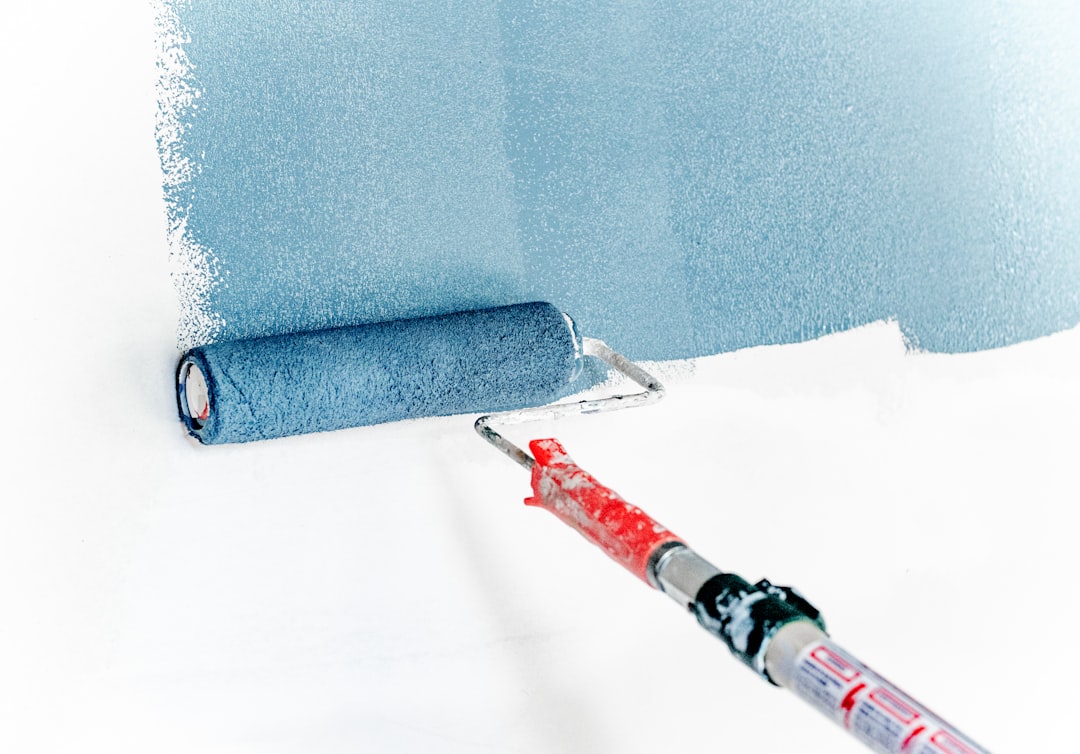
Estimate how many gallons of interior wall paint you need using room dimensions, openings, number of coats, and the coverage printed on your paint can.
How this calculator works
Paintable wall area = room perimeter × wall height − doors − windows. Gallons = paintable area × coats ÷ coverage per gallon.
How the estimate works: The calculator uses your measurements, unit conversions, waste allowance, and product coverage to create a planning quantity. Review the formula shown above, then read the matching guide below before ordering. See How Our Calculators Work for assumptions and limitations.
Recommended paint tools and supplies
Affiliate disclosure: As an Amazon Associate I earn from qualifying purchases.
These practical options match the work estimated by this calculator. Verify compatibility, specifications, and the current price before purchasing.
Choose tools sized for your room and paint type, and follow the coating manufacturer’s preparation and ventilation instructions. Read our advertising disclosure.
Planning your paint purchase
Measure the room length, width, and wall height. The calculator subtracts a typical allowance for doors and windows, then multiplies the paintable area by your number of coats. Coverage varies by paint, color change, surface texture, and application method, so use the manufacturer’s number whenever possible.
Paint-estimating tips
- New drywall and porous surfaces can require primer and additional paint.
- A dramatic color change often needs two full coats.
- Ceilings, trim, doors, and closets should be calculated separately.
- Keep a small amount from the same batch for future touch-ups.
Room-paint example
A 12-by-14-foot room with 8-foot walls has a 52-foot perimeter and 416 square feet of gross wall area. Subtracting 80 square feet for doors and windows leaves 336 square feet. Two coats require 672 square feet of coverage. At an example rate of 350 square feet per gallon, that is 1.92 gallons, so the base purchase rounds to 2 gallons before touch-up and surface-condition allowances.
Use the label coverage for the actual surface
Calculate walls, ceilings, trim, doors, and cabinets separately because they use different products and application rates. New drywall, porous masonry, heavy texture, dramatic color changes, repairs, and spray application can reduce coverage. Primer is a separate calculation. Keep enough paint from the same tint batch for repairs, and include tape, masking, caulk, patching materials, rollers, and disposal in the budget.