DIY Cost Tools
Paver Patio Calculator
Estimate patio area, individual pavers, full pallets, waste, and paver cost. Use the actual face dimensions and pallet quantity supplied by the manufacturer.
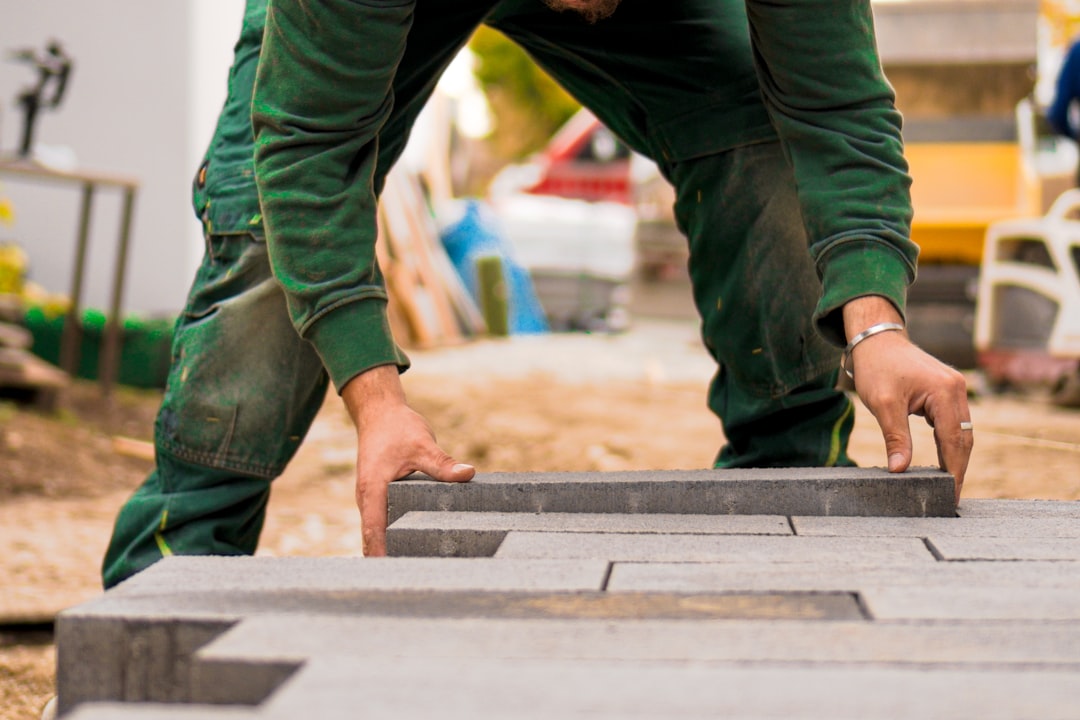
Measure: Measure the patio length and width, then record the face length and width of one paver.
How the estimate works: The calculator uses your measurements, unit conversions, waste allowance, and product coverage to create a planning quantity. Review the formula shown above, then read the matching guide below before ordering. See How Our Calculators Work for assumptions and limitations.
Recommended paver-patio tools and supplies
Affiliate disclosure: As an Amazon Associate I earn from qualifying purchases.
These practical options match the work estimated by this calculator. Verify compatibility, specifications, and the current price before purchasing.
Confirm excavation depth, drainage, base specifications, and underground utilities before starting. Read our advertising disclosure.
How this calculator works
Patio area = length × width. Purchase area adds waste and is divided by one paver’s face area; pieces and pallets are rounded up.
Plan the pattern before ordering
Running bond, herringbone, borders, curves, and diagonal layouts change cutting waste. Measure the installed face of the paver and verify whether the supplier sells by piece, layer, or full pallet.
Remember the foundation
A durable patio may also require excavation, compacted aggregate base, bedding sand, edge restraint, joint sand, drainage planning, delivery, and disposal. Calculate each material layer separately.
Read the complete paver patio planning guide: pieces, base, sand, and waste.
Paver-patio example
A 12-by-16-foot patio covers 192 square feet. With a 10% allowance for cuts, breakage, pattern alignment, and future repairs, the planning area is 211.2 square feet. Divide that number by the exact pallet or bundle coverage and round up to whole packages. Border courses, contrasting inlays, and patterns with several paver sizes should be counted separately.
Calculate every layer independently
The finished surface area does not determine excavation or base volume by itself. Record compacted base depth, bedding-layer depth, slope, edge restraints, drainage, and the manufacturer’s installation system. Base material is ordered by compacted volume or weight, while bedding sand and jointing material use different coverage rules. Include excavation, removed soil, compaction equipment, delivery access, cuts, and utility locations in the project plan.