Use the free Sod Calculator to estimate lawn area, waste, rolls, pallets, and basic material cost.
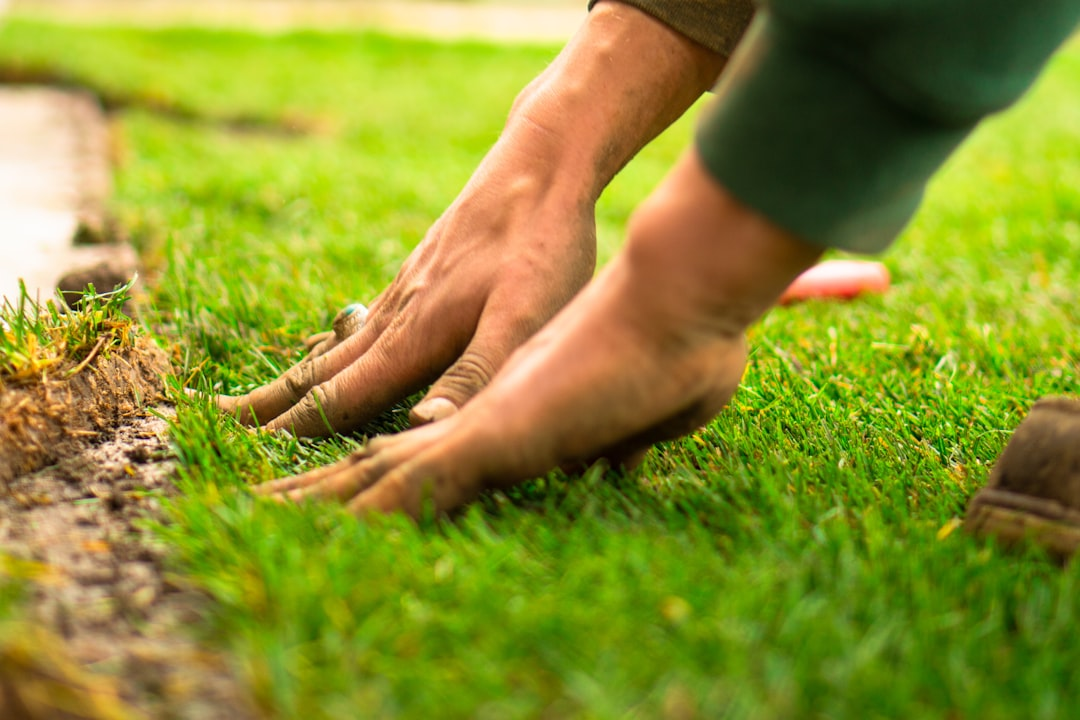
Sod provides an established lawn quickly, but accurate ordering and careful timing matter. The material can deteriorate on a pallet, so the area, site preparation, delivery, and labor should be ready before it arrives.
Measure every lawn section
Multiply length by width for rectangles. Break curved or irregular lawns into smaller shapes and add their areas. Measure planting beds, patios, driveways, and other areas that will not receive sod separately. Recheck dimensions before ordering.
Confirm the supplier’s coverage
Roll size and pallet coverage vary by sod farm, grass variety, and region. Use the supplier’s stated usable square footage rather than a generic number. Ask whether the pallet quantity is exact, approximate, or affected by moisture and cutting.
Add a practical waste allowance
Edges, curves, obstacles, damaged pieces, and staggered seams produce offcuts. Simple rectangular lawns may need less extra material than narrow strips or highly curved landscaping. Follow the installer or supplier recommendation and round up to the quantity actually sold.
Prepare the soil before delivery
Remove debris and unsuitable vegetation, correct drainage problems, loosen or amend soil as appropriate, and establish the final grade. Account for sod thickness near sidewalks and curbs. Soil testing can guide lime, fertilizer, and amendment decisions.
Coordinate delivery and installation
Schedule enough labor and equipment to install promptly. Confirm truck access, pallet placement, delivery fees, return policies, and weather contingencies. Keep pallets out of damaging heat when possible and follow the grower’s handling instructions.
Lay and water correctly
Install tight joints without stretching, stagger seams, trim carefully, and avoid small isolated pieces. Establish good soil contact using the recommended method. Begin watering according to the sod farm and local guidance, then adjust for soil, temperature, rainfall, and drainage.
Budget beyond the sod
Topsoil, grading, disposal, fertilizer, irrigation repair, delivery, equipment rental, labor, and ongoing water use can exceed the grass-only estimate. Use current local quotes and confirm the grass variety is suitable for the site.
Worked sod-order example
A lawn with 4,800 measured square feet and a 5% cutting allowance needs 5,040 square feet of sod. If the selected farm lists 450 square feet per pallet, divide 5,040 by 450. The result is 11.2 pallets, so the purchasing estimate rounds up to 12 full pallets. Do not substitute a generic pallet size: regional farms package sod differently, and some quote approximate rather than guaranteed coverage.
If rolls cover 10 square feet each, the same order target would be 504 rolls. Delivery weight, pallet deposits, truck access, placement, and the supplier’s return policy belong in the final plan even though they do not change the area formula.
Site-preparation checklist
- Measure each turf section separately and subtract beds, paving, and structures.
- Correct drainage and establish finished grade before delivery.
- Confirm grass variety, sun requirements, soil needs, and local planting season.
- Arrange labor, tools, irrigation, and immediate watering before pallets arrive.
- Ask the supplier about roll dimensions, pallet coverage, deposit, delivery, and freshness.
- Locate buried utilities before grading or irrigation work.
Why the final cost can differ
The calculator covers sod quantity and an entered material price. Removal, topsoil, amendments, grading, delivery, pallet charges, equipment, labor, irrigation repairs, water, and disposal can be larger than the grass-only cost. Heat, wind, steep slopes, narrow access, and delayed installation can also increase damage or labor.
Review notes
This guide was reviewed on September 20, 2026. Coverage must be verified with the selected sod farm because roll and pallet quantities vary. Read how our calculators work for our formula, rounding, and update practices.
Continue planning this project
Sod coverage is easier to order after the lawn area and soil-preparation quantities are checked separately.