Use the free Topsoil Calculator to turn your measurements and local prices into a project estimate.
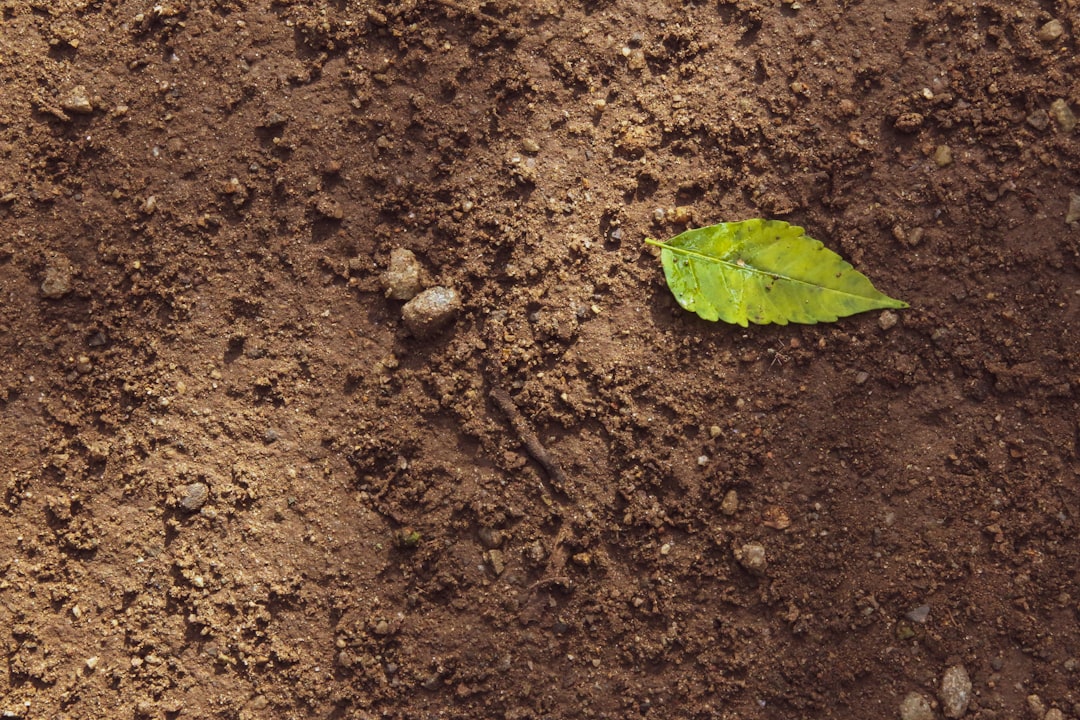
Topsoil estimates begin with surface area and finished depth. Converting those measurements to cubic yards or bags helps compare products and arrange delivery without guessing.
Measure the footprint
Multiply length by width for a rectangle. Divide curved or irregular beds into smaller shapes and add them. Exclude structures, paths, and established areas that will not receive soil.
Choose a realistic depth
The right depth depends on whether you are leveling a lawn, filling a new bed, or replacing poor soil. Measure existing grades at several points. Avoid covering root flares, blocking drainage, or placing soil against siding and vulnerable building materials.
Convert depth to volume
Convert inches to feet by dividing by 12, then multiply area by depth. Divide cubic feet by 27 to obtain cubic yards. Add an allowance for settlement, uneven grade, handling loss, and final shaping.
Compare bags with bulk delivery
Divide cubic feet by the volume printed on the bag and round up. For bulk soil, review supplier minimums and truck capacity. A quoted price per yard may not include delivery, fuel fees, or placement.
Check soil quality
Ask what the product contains and whether it is screened. Topsoil, planting mix, compost, and fill serve different purposes. Soil tests can help identify texture, pH, nutrients, and amendments appropriate for the intended plants.
Plan where the delivery truck can safely unload without damaging pavement, utilities, drainage, or landscaping. Locate underground utilities before digging or changing grade.
Use the estimate as a planning range
Measure twice, use exact product dimensions or package coverage, and compare the result with supplier or contractor information. Taxes, delivery minimums, labor, tools, site conditions, and local requirements can change the final cost.
Worked topsoil example
A 30-foot by 20-foot area covers 600 square feet. A finished depth of 4 inches equals one-third of a foot, so the uncompacted volume is about 200 cubic feet. Dividing by 27 converts that result to approximately 7.41 cubic yards. Adding 10% for settlement, grading, and small measurement differences produces an order target of about 8.15 cubic yards.
A supplier may sell only in half-yard or full-yard increments, so the purchased amount could be 8.5 or 9 cubic yards. Confirm whether the quoted yardage is measured loose, screened, blended, or compacted and whether delivery has a minimum load.
Measure the depth you actually need
- Take several existing-grade measurements instead of assuming the site is level.
- Subtract areas occupied by paving, structures, established beds, or other materials.
- Use the soil supplier’s recommendation for the intended lawn, garden, or grading use.
- Allow for settlement without burying tree roots, siding, drains, or required clearances.
- Confirm truck access, dumping location, delivery charge, and ground protection.
Volume is not soil quality
The calculator estimates quantity only. Texture, organic matter, pH, salts, drainage, contaminants, and nutrient levels determine whether a product suits the project. Ask what the blend contains and use appropriate testing for food gardens or sites with uncertain soil history.
Review notes
This guide was reviewed on September 21, 2026. The calculation uses area × depth and converts 27 cubic feet to one cubic yard. Read how our calculators work for unit conversions, waste allowances, and supplier rounding.
Continue planning this project
Soil depth, lawn coverage, mulch, and drainage aggregate are separate landscape quantities.