DIY Cost Tools
Tile Calculator
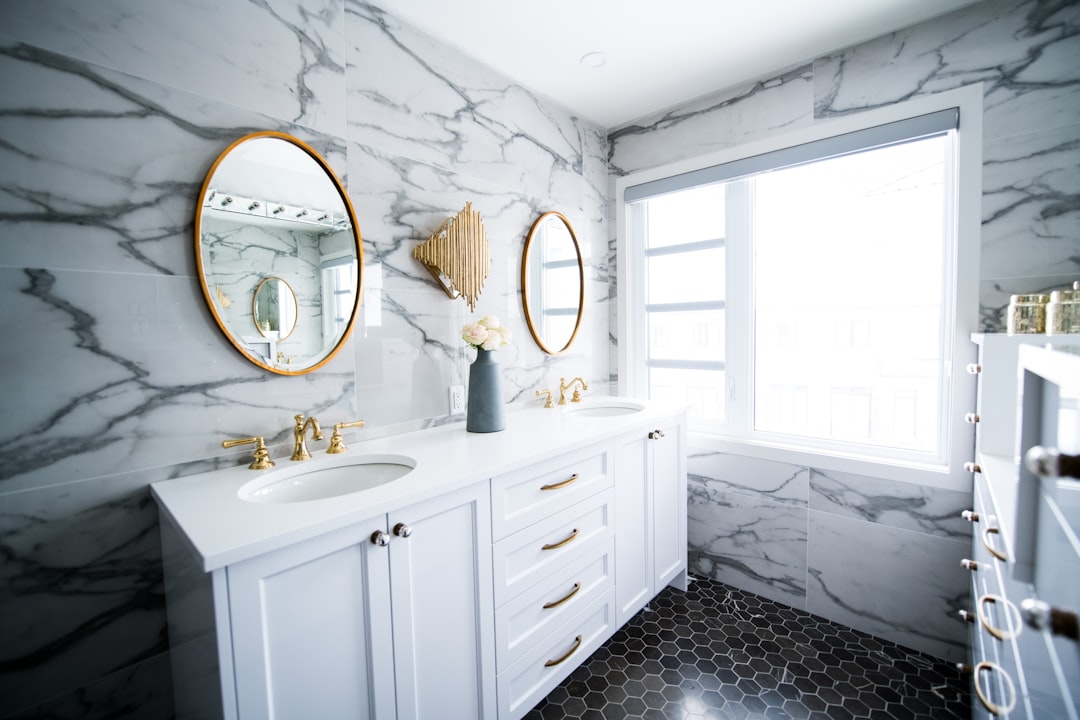
Estimate tile quantity and full boxes using surface dimensions, tile size, a waste allowance, and the package quantity.
How this calculator works
Project area is increased by the waste allowance, then divided by the face area of one tile. Tiles and boxes are rounded up.
How the estimate works: The calculator uses your measurements, unit conversions, waste allowance, and product coverage to create a planning quantity. Review the formula shown above, then read the matching guide below before ordering. See How Our Calculators Work for assumptions and limitations.
Recommended tile tools and supplies
Affiliate disclosure: As an Amazon Associate I earn from qualifying purchases.
These practical options match the work estimated by this calculator. Verify compatibility, specifications, and the current price before purchasing.
Match trowel notch size, mortar, grout, and cutting tools to the tile manufacturer’s instructions. Read our advertising disclosure.
Estimating tile accurately
Tile is sold by piece, box, or square foot. This tool converts the face dimensions of a tile into square feet, then estimates the number of full tiles and boxes needed. Increase the waste allowance for diagonal layouts, intricate patterns, fragile stone, or rooms with many corners.
Remember the full system
Your project may also require underlayment or backer board, waterproofing, thinset or adhesive, grout, spacers, edge trim, and sealant. Check movement-joint and wet-area requirements before installation.
Tile-floor example
A 10-by-12-foot floor covers 120 square feet. Adding 10% for cuts, breakage, pattern alignment, and future repairs produces 132 square feet. If the selected box covers 15 square feet, divide 132 by 15 to get 8.8 and round up to 9 boxes. Complex patterns, diagonal layouts, large-format tiles, or many corners may need a different allowance.
Plan the layout before ordering
Measure every floor or wall section and subtract only areas that will not be tiled. Keep different tile sizes, colors, lots, trim pieces, mosaics, and bullnose items separate. Confirm actual box coverage, caliber and dye lot, substrate flatness, waterproofing, underlayment, mortar, grout, movement joints, transitions, and manufacturer instructions. Box count does not determine structural suitability or waterproofing design.