Use the free Paver Patio Calculator to turn your measurements and local prices into a project estimate.
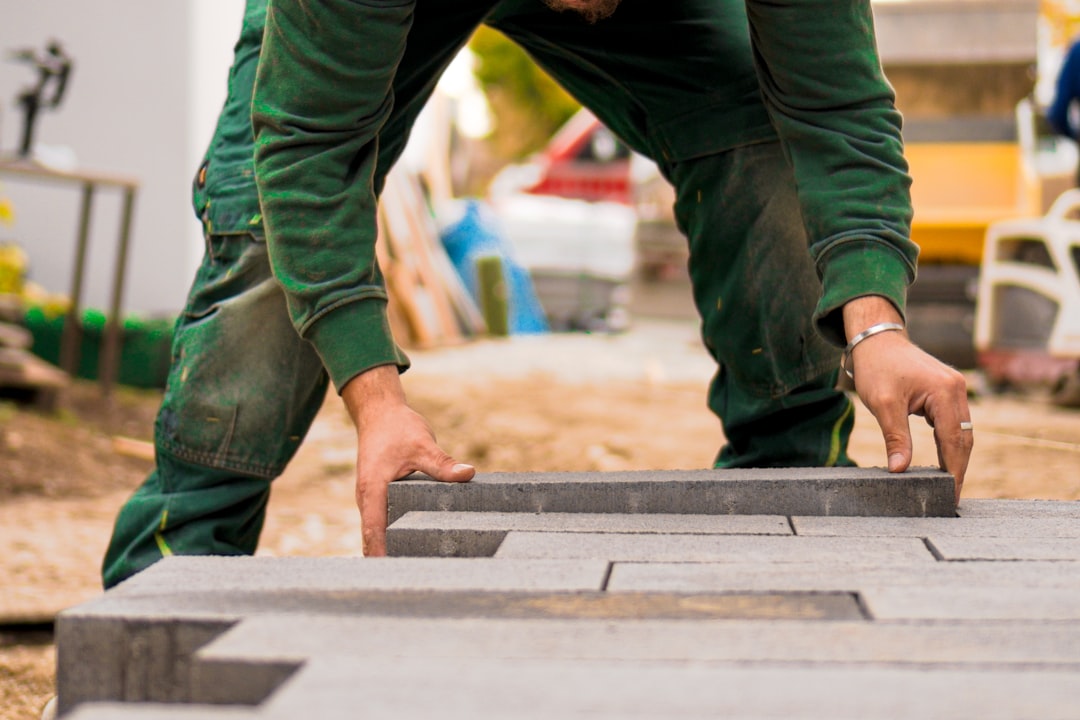
Paver quantity is only one part of a patio plan. The layout, cut pattern, base preparation, drainage, and edge restraint all affect the final order and long-term performance.
Measure the patio footprint
Multiply length by width for a rectangle. Divide L-shaped or irregular patios into smaller rectangles and add the areas. For curves, create a measured drawing and add a larger waste allowance because more pavers will be cut.
Convert paver size to square feet
Multiply paver length by width in inches, then divide by 144. Divide the purchase area by that face area and round up. For mixed-size patterns, use the manufacturer’s stated square-foot coverage per bundle or pallet instead of treating every piece alike.
Choose a waste allowance
A straight grid with few cuts may use about 5–10% waste. Borders, diagonals, herringbone patterns, curves, and fragile materials can need more. Keep several matching pavers for future repairs because colors can vary between production lots.
Plan the base system
- Excavation depth based on paver, bedding, and compacted base thickness
- Geotextile when appropriate for the soil and design
- Aggregate base placed and compacted in suitable lifts
- Bedding layer installed to the product specification
- Edge restraint and joint material compatible with the pavers
Drainage and utilities
The finished surface should direct water appropriately and stay below required building clearances. Locate underground utilities before excavation and confirm permit or stormwater requirements where applicable.
Use the estimate as a planning range
Measure twice, use the exact package coverage, and compare the calculator result with supplier or contractor information. Taxes, delivery minimums, labor, tools, site conditions, and local requirements can change the final cost.
Worked paver-patio example
A 16-foot by 12-foot patio covers 192 square feet. An 8-inch by 4-inch paver has a face area of 32 square inches, or about 0.2222 square foot. Dividing 192 by 0.2222 produces a starting count of 864 pavers.
With a 10% allowance for cutting, pattern layout, breakage, and color blending, the target becomes 950.4 and rounds up to 951 pavers. If the selected product contains 480 pavers per full pallet, the estimate rounds up to 2 pallets, or 960 pavers. Confirm whether individual units can be purchased or returned before deciding between full pallets and split quantities.
Plan the complete patio system
- Verify the paver’s installed face dimensions and pattern module.
- Measure curves, borders, steps, drains, and separate pattern areas.
- Determine excavation depth from the specified base, bedding, and paver thickness.
- Calculate base aggregate and bedding material separately.
- Include edge restraint, joint material, geotextile when specified, delivery, and equipment.
- Locate utilities and plan drainage away from structures.
Why base preparation matters
The paver count covers the visible surface but not the performance of the patio. Soil, drainage, excavation, base thickness, compaction, edge support, and installation method control settlement and movement. Follow the selected system’s instructions and local requirements rather than choosing base depth from the surface-area result.
Review notes
This guide was reviewed on September 21, 2026. The example uses installed face area, rounds whole pavers upward, and then rounds to the chosen pallet quantity. Read how our calculators work.
Open the Paver Patio Calculator
Continue planning this project
Surface pavers, compacted aggregate, and nearby walls should be estimated as separate layers and structures.