DIY Cost Tools
Square Footage Calculator
Calculate square footage for one or more rectangular areas, add a waste allowance, and estimate material cost using your local price per square foot.
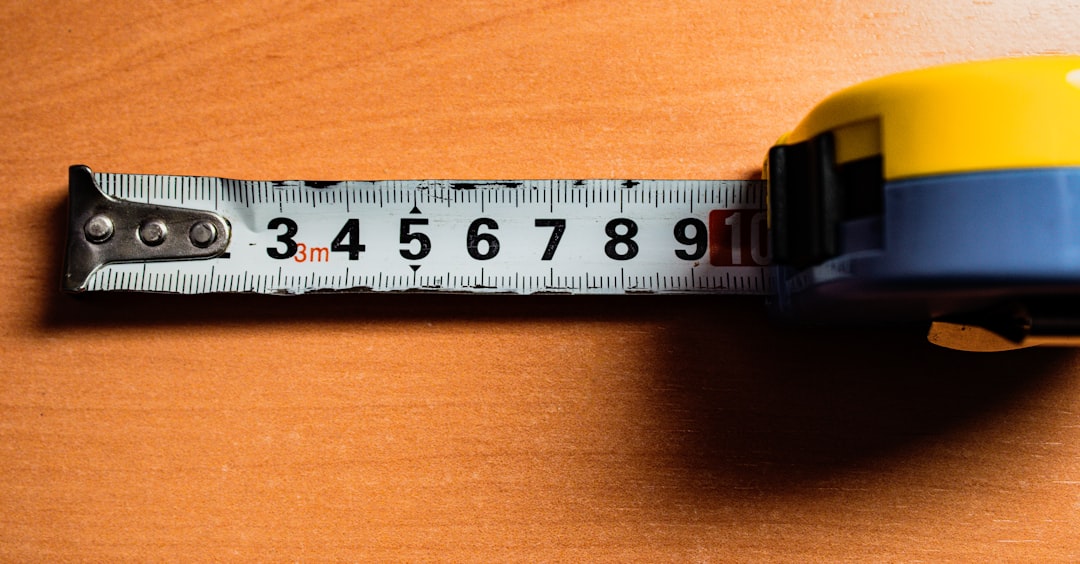
Measure: Measure the finished length and width of each rectangular area in feet. Use the quantity field for identical rooms or sections.
How the estimate works: The calculator uses your measurements, unit conversions, waste allowance, and product coverage to create a planning quantity. Review the formula shown above, then read the matching guide below before ordering. See How Our Calculators Work for assumptions and limitations.
Recommended measuring and layout tools
Affiliate disclosure: As an Amazon Associate I earn from qualifying purchases.
These practical options match the work estimated by this calculator. Verify compatibility, specifications, and the current price before purchasing.
Check measurements at least twice and use the measuring method appropriate for the surface and required accuracy. Read our advertising disclosure.
How this calculator works
Total area = length × width × number of areas. Purchase area adds the waste allowance, and estimated cost multiplies that amount by the price per square foot.
Working with irregular spaces
Break an L-shaped room or complicated project into rectangles, calculate each section, and add the results. Measure triangles and circles separately rather than guessing a single length and width.
Match the ordering unit
Flooring, paint, roofing, tile, and landscaping products use different coverage rules. Use this result as the measured area, then confirm the product label, package coverage, waste, and rounding rules before purchasing.
Read the complete how to calculate square footage for diy projects.
Irregular-area example
For an L-shaped room, divide the floor into rectangles instead of multiplying the longest length and width. A 12-by-15-foot rectangle is 180 square feet and a 6-by-8-foot rectangle is 48 square feet, for 228 square feet total. Sketch the shapes and confirm they do not overlap. Triangles use base × height ÷ 2; circles use π × radius².
Keep measurement units and surfaces consistent
Convert inches to feet before multiplying, and record whether measurements describe floor area, wall area, roof plan area, or finished surface. Subtract openings only when the material truly will not cover them. Slopes, patterns, waste, package rounding, and installed coverage belong in the material-specific calculator, not in the raw square-foot result.